
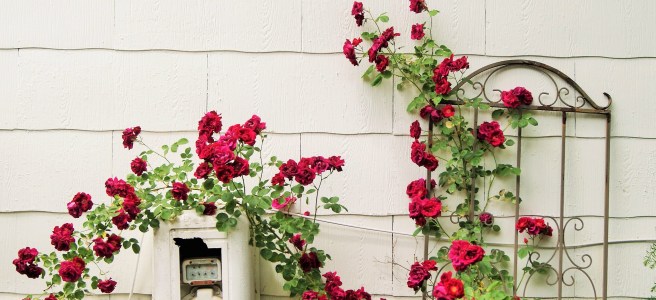
“The tame, too smug, I cry;
There’s no adventure in security;
Yet still my little garden craft I ply,
Mulch, hoe, and water when the ground is dry…”
-Vita Sackville-West
Poems from The Garden; 1948
Wordplay With Robert MacFarlane: An Important act of environmental and social justice – Loving the Imperfect
I was walking in the park the other night and a woman was approaching me and the dogs with her walker. Yoda, our 2-year-old mixed breed, was unsure about her and her contraption. I said to her in passing, “He’s scared of your walker. He’s never seen one of those.” What I thought would be a quick passing interaction with smiles and nods from her, turned into an hour-long conversation as this woman stopped, turned towards me, and started to tell me her life story. While we spoke people passed, runners passed, Buddhist monks passed, the sun passed under the horizon. “What do you do?” she asked. “I’m a writer,” I said. “What do you write?” she asked. “Oh, everything. Poetry, fiction, nonfiction. I have a podcast, but I don’t really know what I’m doing with it.” All week I had struggled with what to write for this week. I wasn’t sure if I wanted to continue. Not sure if I’d be able to since I just received some prework for my graduate program at Duke, and I’m a little overwhelmed. I had forgotten that when I get overwhelmed with work, all creativity seems to drift away from me. This woman is from Ukraine, she says her country is burning, the world is burning. People need to wake up. She tells me, you’re a writer. Tell people to wake up. Write about what’s happening. What’s happening to our relationships, what’s happening to the planet. I believe in the God of Love.” “Yes,” I say. “Exactly, yes.” And “I don’t know. I don’t know. I don’t know.”
Thanks for reading! Subscribe for free to receive new posts and support my work.
I don’t know what to do. I don’t know anything. I don’t even know if going to Duke is the right thing. If leaving my home church was the right thing. But we do things with great faith. We have inklings and dreams and nudges pointing at paths in the sand and we try to follow its impermanence before the waves wipe it away. One never knows what is waiting just around the corner.
At the end of August, I’ll begin my first semester at Duke University’s Divinity school where I will spend the next three years working toward a Master of Divinity degree. As I’m looking forward to it, I’m also looking forward at it, looking at the syllabi and thinking about how I will maintain my family life and my contemplative prayer life while I complete the immense amount of reading assigned to me. So, I’m keeping an eye on the balance of things.
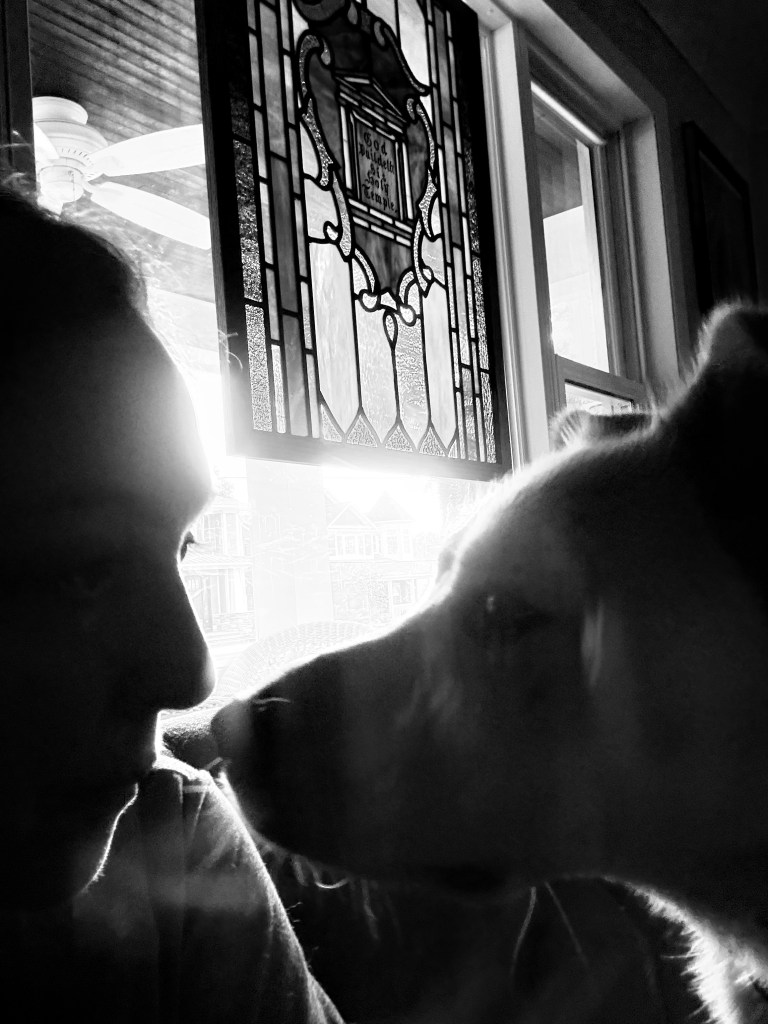
Before immersion week, which begins on August 21, I have to read a 400-page book, the Bible books of Genesis, Exodus, & Leviticus, 127 pages of Bible supplements, and write two essays. I’ll be learning how to balance attentiveness to my family, my prayer life, and my writing life again, and I know something will have to give. I’m looking ahead and keeping a close eye on the sweetness of life in the blessing of peace, and peace is had when there is an abundance of nourishment.
I think this is found in nature when it rains just the right amount to keep all the plants and animals happy and healthy.
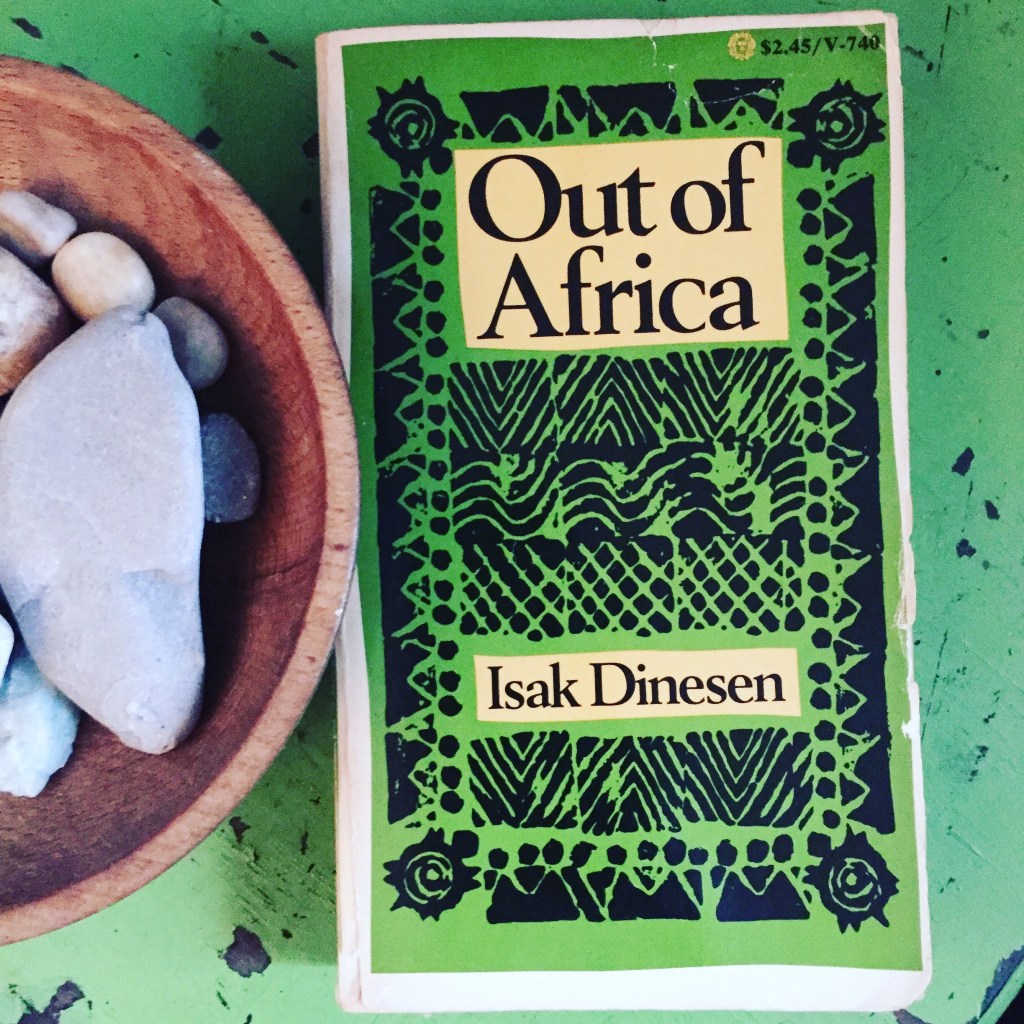
In her book, Out of Africa, my absolute favorite book of all time, Isak Dinesen wrote that rain in Africa is considered a blessing. Whatever amount they received in the rainy season would have to feed the plants for the next four months of drought. She writes:
“It is a lovely sight when the roads of the farms have all been turned into streams of running water and the farmer wades through the mud with a singing heart, out to the flowering and dripping coffee fields. But it happens in the middle of the rainy season, that in the evening the stars show themselves through the thinning clouds; then he stands outside his house and stares up as if hanging himself onto the sky to milk down more rain. He cries to the sky: ‘Give me enough and more than enough. My heart is bare to thee now and I will not let you go unless Thou blesses me. Drown me if you like but kill me not with caprices…’” (275).
Turgid or swollen in reference to plants means they have a healthy amount of water hydrating their cells. Imagine a plant whose leaves are plump and stand upright the way they should; that is turgidity.
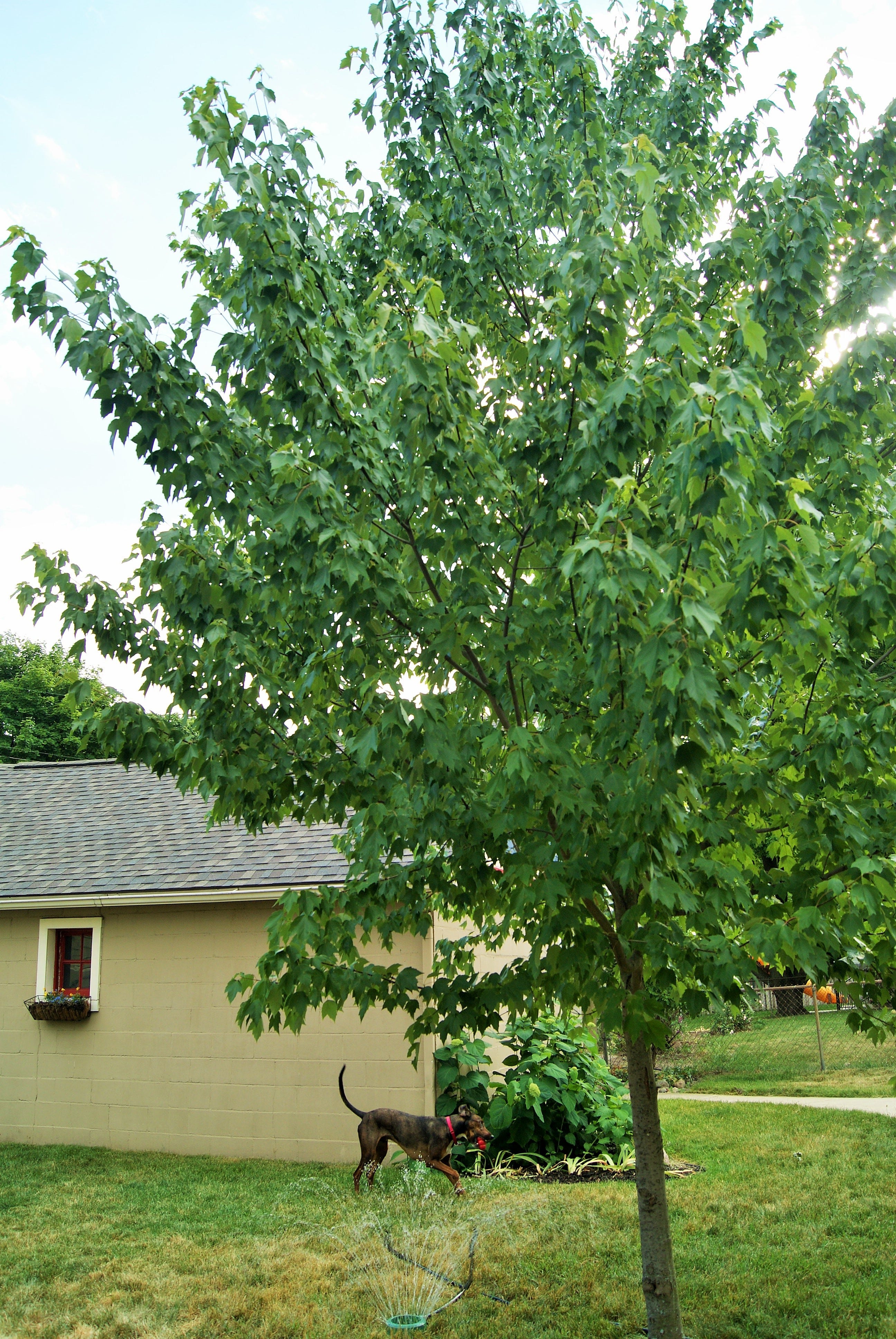
In the year 2016, I did something rather peculiar. It hasn’t really rained here for weeks, and the trees are beginning to droop. Everything is looking dull and dry. Even my precious maple my husband planted as my Mother’s Day gift is looking sad.
I was doing my daily watering of the garden when it struck me how dehydrated my neighbor’s lilac bush looked. Its bright green leaves had lost their luster, and they drooped and sagged with drought.
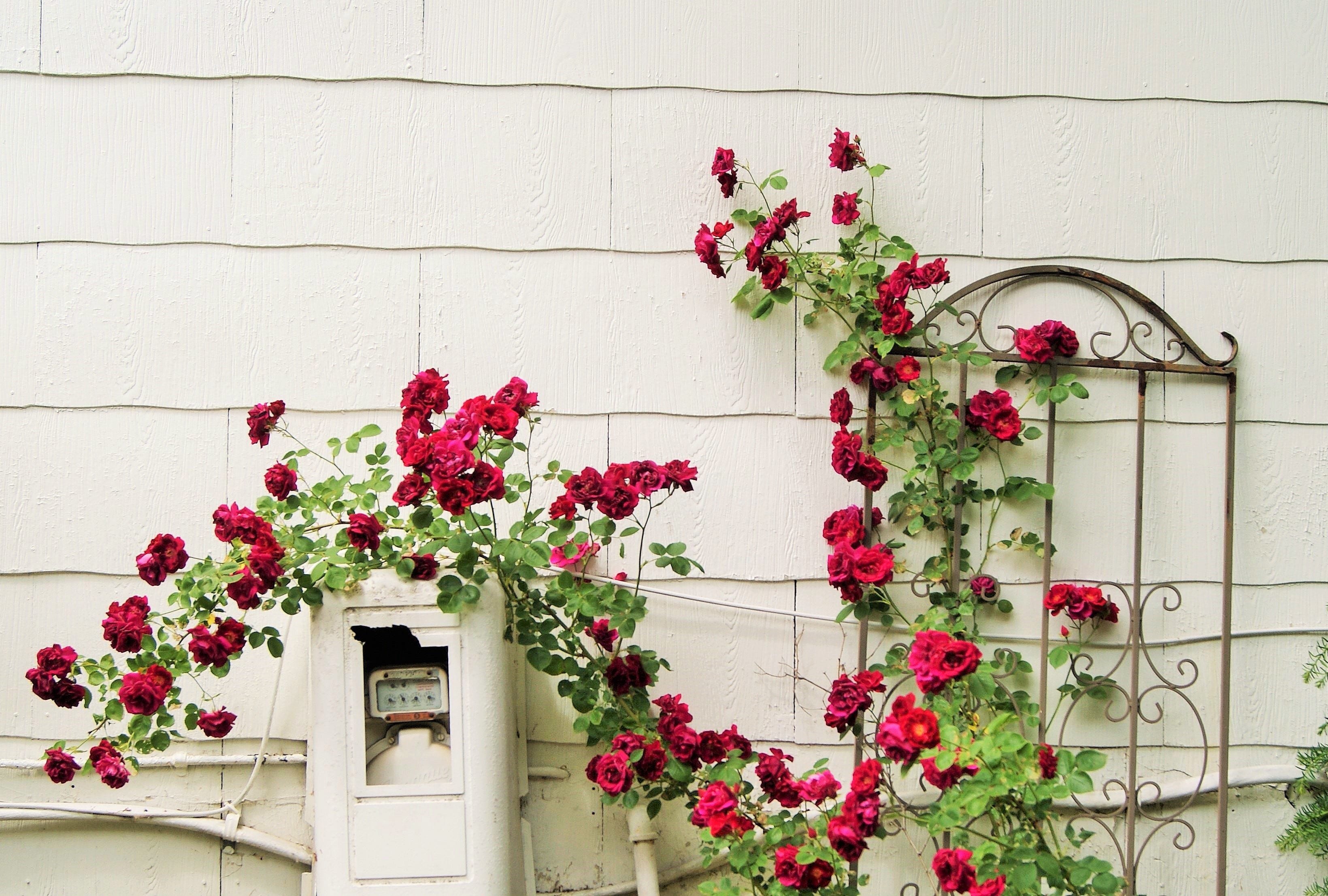
My neighbor rents. They keep to themselves mostly. We hardly speak. But through my keen observation I know they rarely look at that end of the house. They do the bare minimum to take care of the old plants surrounding the property. Funnily enough, the rose bushes and irises looked quite healthy and turgid, but the grand lilac bush of many years was struggling.
A thought came to my mind as I stood watering my own plants, that I should water hers too. I went over and threw my hose under its dehydrated branches – turning it on full blast. I left it there for a moment while I meandered about, falsely pondering my own flowers.
Despite my efforts to be cool however, I imagined her watching my every move from her kitchen window wondering what the hell I was doing and wishing I’d mind my own business.
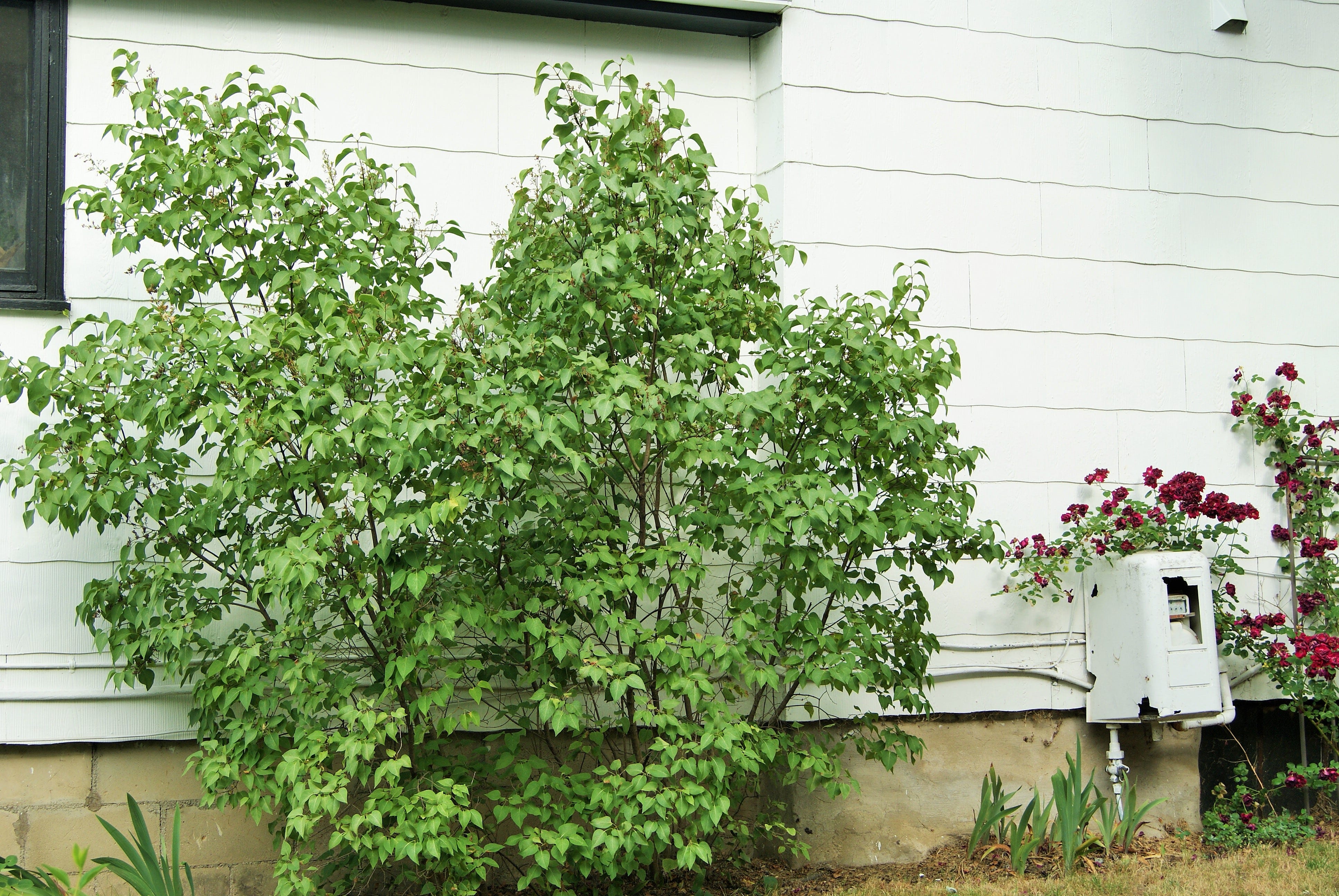
But I believe her lilac bush is my business. It’s all I see out my kitchen window. I thought for sure it might die and they would neglect to tear it out for years.
I refuse to look at death out my window when I can prevent such a disaster. Maybe this is how we solve the world’s problems. Watering our neighbor’s plants. Listening while they tell us about the trouble of their lives while the dogs meander around our feet. Give us enough, Lord, and more than enough. We will have to water the dry gardens around us until the rains come again.
Thanks for reading! Subscribe for free to receive new posts and support my work.


